Surge Protection 101: How to Safeguard Your Home and Electronics
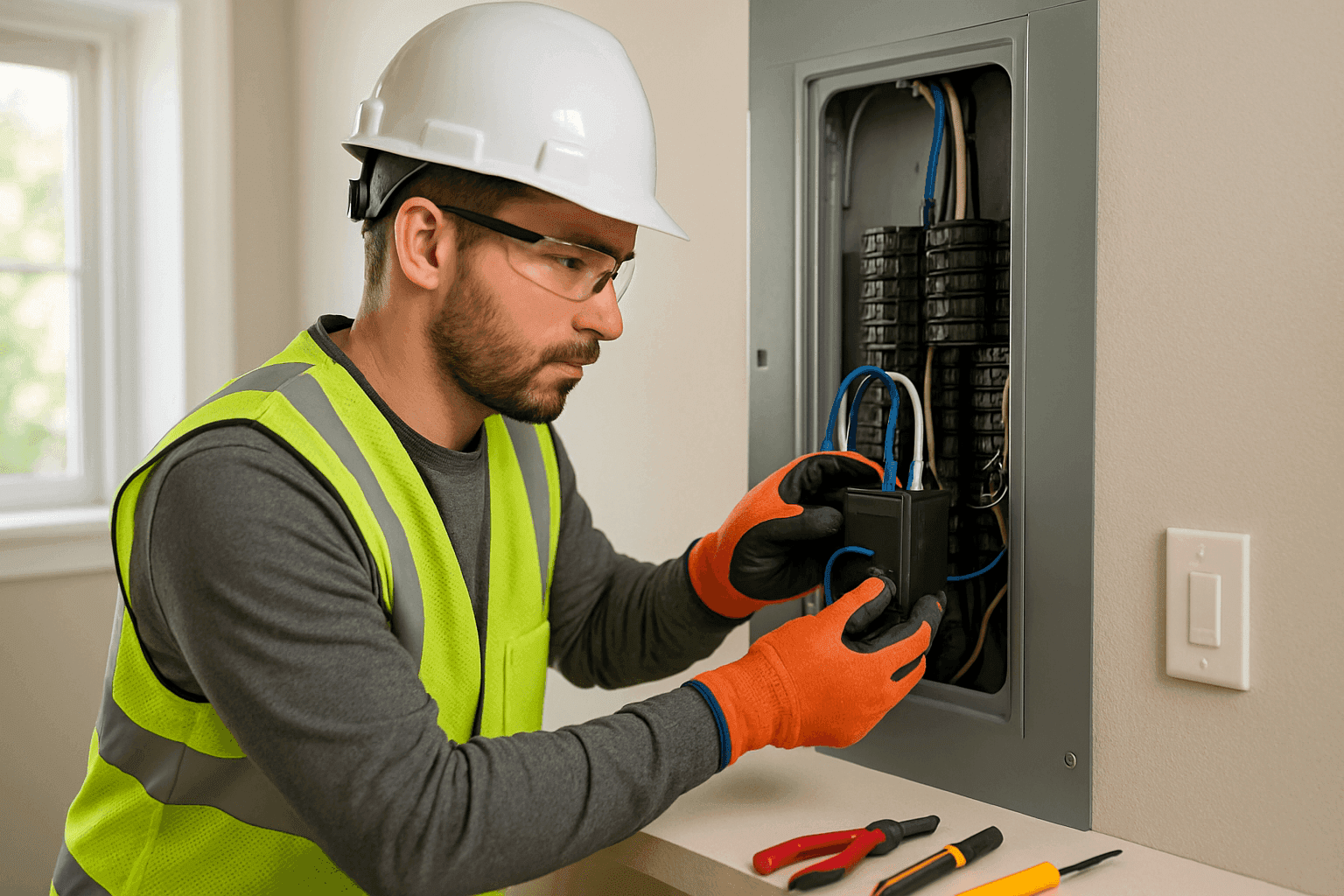
Have you ever heard a loud crack of thunder, then seen your lights flicker—or worse, your favorite gadget go dark forever? Power surges don’t just fry electronics. They can zap your peace of mind. At DH&B Electric, we know emergencies can strike at any hour. Our emergency electricians have seen the damage a single surge can cause, and we’re here to help you protect what matters.
Whether you run a busy commercial space or want your home to be a safe haven, knowing how to shield your property from surges is like locking your doors before a storm. It’s a small step that can save you from big headaches down the road.
What Causes Power Surges? 🌩️
Surges are like electrical tsunamis—brief but powerful spikes in voltage that wash through your wiring. Most of the time, your home rides out these waves just fine. But sometimes, they crash hard.
Common causes of surges include:
- Lightning strikes: A bolt miles away can send a shockwave through power lines and into your panel.
- Power grid issues: Utility switching or downed lines can jolt your system.
- Large appliances cycling: Refrigerators, HVAC units, or shop tools switching on/off create internal surges.
- Faulty wiring or panels: Aging or overloaded circuits act like leaky pipes, letting excess voltage seep where it shouldn’t.
- Accidents or animal interference: Squirrels and storms don’t mix well with transformers.
Surges don’t have to be dramatic. Even small ones, repeated over time, quietly wear down sensitive circuits inside laptops, TVs, and smart devices.
Quick Safety Checklist
Not sure if your home or business is at risk? Run through this quick list:
- Do you have computers, TVs, EV chargers, or smart appliances plugged directly into the wall?
- Are your electrical panels or Outlets & Switches near you over 20 years old?
- Have you experienced tripped breakers, flickering lights, or burnt smells after storms?
- Are major appliances and HVAC units on their own circuits?
- Is your surge protection up to code, or are you relying on basic power strips?
If you checked yes to any, it’s time to take surge protection seriously.
Types of Surge Protectors
Choosing the right layer of defense is like picking the right helmet—it all depends on the risks you face.
Plug-In Surge Protectors
- Pros: Affordable, easy to use, protect individual devices.
- Cons: Only shield what’s plugged into them; won’t protect hardwired systems (like lighting or HVAC); can wear out over time.
Whole-House Surge Protectors
- Pros: Installed at your main electrical panel, these block surges before they spread through your wiring. They safeguard everything—devices, appliances, even Outlets & Switches.
- Cons: Require professional installation; higher upfront cost. Not a DIY project.
Point-of-Use Protectors
- Used for specific, high-value equipment (like servers or home theaters).
- Often combined with whole-house protection for layered safety.
Note: The National Electrical Code (NEC) now recommends surge protection for all new dwellings. It’s not just smart; it’s becoming standard.
Plug-In vs. Whole-House: Which Is Better?
Think of plug-in protectors as umbrellas. They shield you from a passing shower if you’re standing still. Whole-house units are like a sturdy roof—offering broader, long-term coverage.
- Use plug-ins for extra-sensitive gear or temporary setups.
- Choose whole-house if you have expensive appliances, frequent storms, or run a business with critical equipment.
For maximum safety, many electricians recommend using both—a layered approach.
Installation Considerations
Installing a whole-house surge protector isn’t like swapping a lightbulb. It requires:
- Shutting off power at the main panel.
- Properly sizing the device to match your home’s service (measured in amps).
- Following manufacturer specs and the NEC for placement and wiring.
- Ensuring a solid ground connection—without it, surge protection can fail.
Wrong installation can void insurance or even pose a fire risk. Always have a licensed emergency electrician handle this work. Not just for compliance, but for your safety.
Seasonal and Local Risks
Some times of year are riskier than others.
- Storm season: Spring and summer bring lightning. Even distant strikes can cause surges.
- Hurricane threats: Coastal areas see more widespread outages and spikes.
- Winter holidays: Lights, heaters, and extra gadgets strain circuits.
- Construction booms: Utility work or new developments nearby can lead to more grid fluctuations.
If you notice more frequent outages or flickering during these periods, your system may be vulnerable.
Keeping Your Surge Protection Working
Like batteries, surge protectors don’t last forever. Here’s how to keep yours sharp:
- Test regularly: Many whole-house units have indicator lights. Check monthly.
- Replace plug-in units: Every 2–3 years, or sooner after a major surge.
- Schedule annual inspections: An emergency electrician can spot worn parts and test grounding.
- Upgrade outdated panels: Modern panels make it easier to add surge protection and meet code.
Pro tip: After any major storm or power event, have your protection checked. It may have sacrificed itself to save your devices.
Insurance and Certification
Many insurance companies now require proof of certified surge protection installation for full coverage. Improper work or expired devices could leave you on the hook for damages.
At DH&B Electric, our licensed electricians document every installation to meet code and satisfy insurance requirements. We issue certificates upon request, giving you peace of mind when it matters most.
Costs & Time Factors
Surge protection is an investment in your property’s future.
- Plug-in protectors: Typically range from the cost of a pizza to a nice dinner out per device.
- Whole-house units: Professional installation adds to the price, but the cost pales compared to replacing appliances or rewiring after a disaster.
- Time: Most whole-house installs take 1–2 hours for a pro. Add time for permitting or inspections if needed.
Remember: Cheap, uncertified devices can do more harm than good.
When It’s an Emergency
If your home or business experiences:
- Burning smells from outlets or panels
- Smoke, sparks, or visible damage after a power event
- Multiple breakers tripping or refusing to reset
- Total loss of power to certain rooms or devices
Don’t wait. This is an electrical emergency. Unplug affected devices if safe, step away from smoking equipment, and call an emergency electrician immediately. Never touch a hot or buzzing panel.
FAQ: Common Surge Protection Questions
Will a surge protector save my electronics from lightning?
No surge protector can guarantee safety from a direct lightning strike, but whole-house units dramatically reduce the risk from nearby strikes or grid surges.
How do I know if my surge protector still works?
Many plug-in units have indicator lights. If the light is off, replace the protector. For whole-house models, schedule periodic checks with a licensed electrician.
Can I install a whole-house surge protector myself?
No. This work involves the main panel and must comply with code. Always hire a licensed emergency electrician.
What about sensitive commercial equipment?
Layer both whole-building and point-of-use protection for mission-critical gear. DH&B Electric can design solutions for offices, retail, or industrial spaces.
Local and Seasonal Considerations
If you live in a storm-prone region, near industrial zones, or in older neighborhoods, your risk is higher. Even new builds can face surges if local infrastructure is under strain. Check with your city or county for recent code updates and always ask your emergency electrician about the best protection for your area.
Final Steps: Protect What Matters
Power surges are unpredictable, but defending your home or business doesn’t have to be. From Outlets & Switches near you to custom commercial installations, DH&B Electric brings certified safety and 24/7 emergency service to every job.
Take action now—before the next storm hits or your favorite device fizzles out.
Call DH&B Electric now — or reach us anytime at 877-717-3326 .