Emergency Electrician Guide: What to Do Before Help Arrives
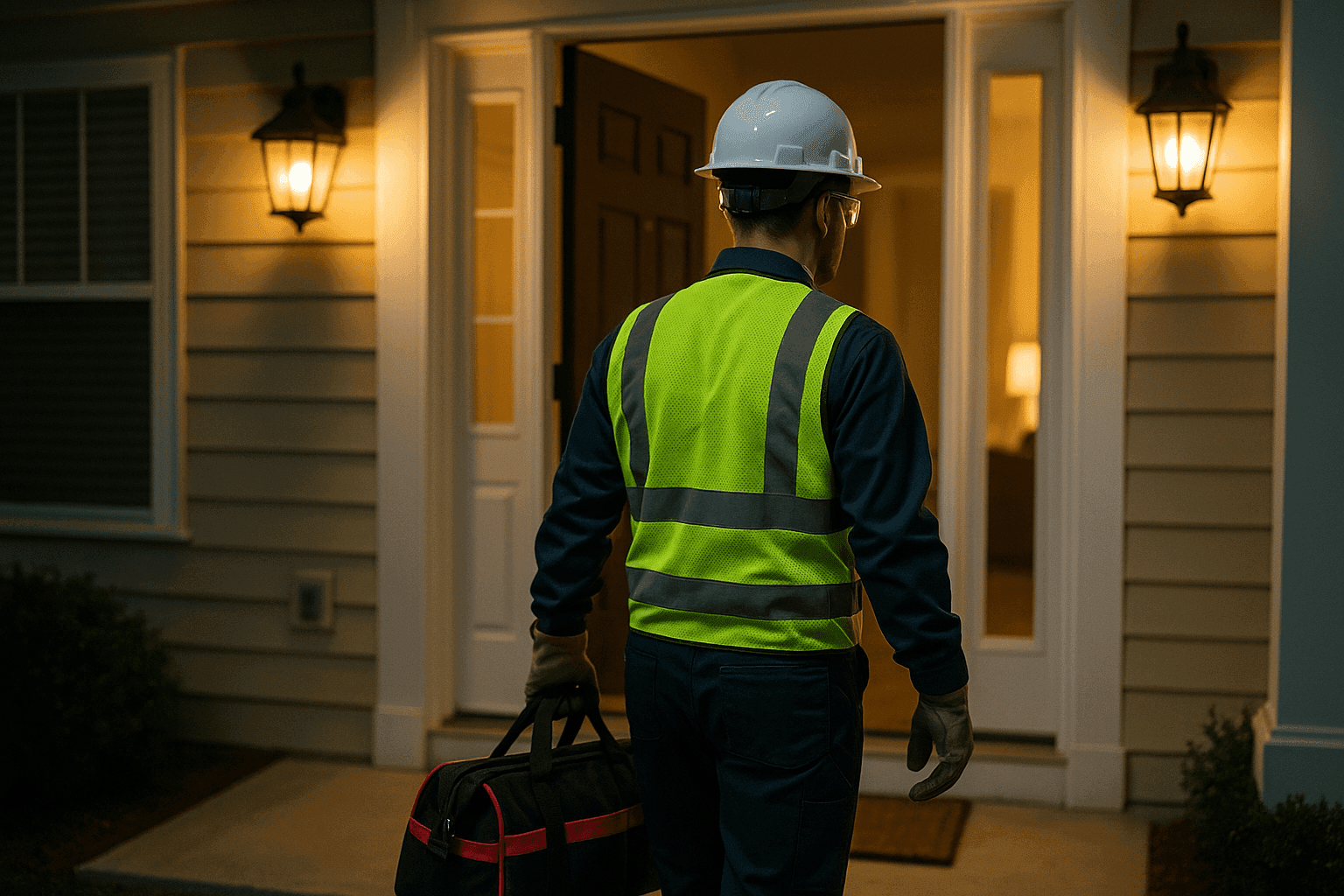
Electricity keeps our world spinning. Lights, machines, computers, security—almost everything we depend on runs on it. So, when something goes wrong, panic can hit fast. Power goes out. Outlets hiss or spark. Breakers won’t reset. Whether you’re at home or running a business, you need to know what to do in those first tense moments.
At DH&B Electric, we understand the pressure and confusion these situations bring—especially in the middle of the night or during a storm. This guide walks you through what to do (and what not to do) before your emergency electrician arrives, so you can keep your family, employees, and property safe.
Recognizing an Electrical Emergency ⚡
Not every flicker means disaster, but some signs are red flags that demand immediate action. Here’s what to watch for:
- Sparking Outlets & Switches: If you see sparks, smoke, or hear buzzing, that’s serious.
- Burning Smell: A hot, acrid odor from outlets, panels, or wiring could mean melting insulation or fire.
- Repeatedly Tripping Breakers: One trip can be a fluke; more could signal overloaded circuits or shorts.
- Complete Power Loss: Especially if neighbors still have power, or critical equipment fails.
- Water & Electricity Mix: Flooded basements, leaks near panels, or wet outlets are extremely dangerous.
- Exposed or Damaged Wiring: Frayed cords, chewed wires, or open panels require urgent attention.
- Shocks or Tingling: If you touch an appliance or switch and feel a zap, stop using it immediately.
If these or similar issues appear, you’re in electrical emergency territory. Don’t wait—act.
Quick Safety Checklist
Before you do anything else, take these steps to protect yourself and others:
- Stay Calm: Panic leads to mistakes. Take a deep breath.
- Turn Off Power: If safe, switch off the main breaker. Use a dry wooden stick, not your hand, if water is present.
- Call an Emergency Electrician: Get professional help on the way early. (If there’s fire, call 911 first.)
- Keep Away from Hazards: Don’t touch sparking outlets, bare wires, or wet panels.
- Evacuate if Needed: If you smell burning, see smoke, or suspect fire, leave immediately.
- Keep Others Clear: Warn family, employees, or tenants to stay away from the danger area.
- Document the Situation: Take photos if safe—helps with insurance and for the electrician’s assessment.
These actions buy you precious time and reduce risk until DH&B Electric arrives.
DIY vs. Call a Pro: Know Your Limits
It’s tempting to “just fix it.” Don’t. Even if you’re handy, electrical emergencies are like wrestling a crocodile—unpredictable and dangerous.
What you can safely do:
- Reset a tripped breaker (once).
- Unplug appliances that smell or feel hot.
- Move people away from danger.
What you should never do:
- Open electrical panels if you’re unsure.
- Attempt repairs on wiring, outlets, or switches near water.
- Ignore repeated shocks, flickering, or burning smells.
- Use makeshift fixes (like duct tape or extension cords) on damaged wires.
National Fire Protection Association (NFPA) and Occupational Safety and Health Administration (OSHA) guidelines both stress: electrical work is for trained professionals only. Mistakes can cause fire, injury, or death.
What Emergency Electricians Do On Arrival
When your emergency electrician gets there, they don’t just flip a few switches. Here’s what to expect:
- Rapid Assessment: Inspect panels, outlets, and wiring to find the source of trouble.
- Safety Controls: Shut down affected circuits, isolate hazards, and use specialized tools to prevent injury.
- Fault Finding: Test for shorts, overloads, water intrusion, or failed components using meters and diagnostics.
- Temporary Repairs: Make safe, temporary fixes to restore critical power or eliminate immediate danger.
- Full Explanation: Walk you through what happened, what’s safe, and what needs follow-up.
- Compliance: All work meets current National Electrical Code (NEC) standards.
For businesses, pros also check life-safety systems, motors, data cabling, and backup power as needed.
Prevention & Maintenance: Stop Emergencies Before They Start
Most electrical emergencies don’t come out of nowhere. Here’s how to lower your risk:
- Schedule Regular Safety Checks: Annual inspections spot trouble early.
- Upgrade Old Panels & Breakers: Modern systems trip faster and more reliably.
- Install GFCIs & AFCIs: These outlets and breakers shut off power if there’s a fault.
- Keep Water Away: Never store liquids near panels or outlets.
- Replace Damaged Wiring: Frayed cords and exposed wires are ticking time bombs.
- Plan for Storms: Backup generators, surge protectors, and weatherproof covers can help.
DH&B Electric can help with safety inspections, outlet & switch upgrades, and surge protection.
Costs & Time Factors: What to Expect
Electrical emergencies don’t follow a schedule. Here’s what shapes the response:
- Response Time: 24/7 availability means we’re on the road within minutes for urgent calls.
- Duration: Most emergencies can be stabilized in 1–2 hours, but full repairs may need follow-up.
- Cost Factors: After-hours rates, complexity, parts needed, and location all affect pricing. Emergency calls are more expensive than routine visits—but your safety has to come first.
Always ask for clear explanations of work needed and any temporary vs. permanent solutions.
When It’s an Emergency—and When It’s Not 🚨
Some issues can wait for business hours—others can’t. Here’s a quick guide:
True Emergencies:
- Smoke, sparks, or burning smells.
- Outlets or switches that are hot to the touch.
- Power loss affecting medical devices or critical business systems.
- Water intrusion at panels or outlets.
- Repeated shocks or tingling appliances.
Non-Emergencies:
- Single tripped breaker (that resets).
- Flickering light bulbs (not caused by wiring).
- Outlet not working in just one room (unless you smell burning).
When in doubt, call an emergency electrician for advice. Safety is better than regret.
FAQ: Common Emergency Electrical Questions
How do I know if it’s safe to reset a breaker?
If it’s not wet, not damaged, and you don’t smell burning, one reset is okay. If it trips again, call a pro.
Do I need to call 911 or just an electrician?
If you see smoke, fire, or someone is injured, call 911 first. For all other urgent electrical issues, call DH&B Electric.
Why can’t I just replace a blown fuse myself?
Fuses often blow for a reason—like an overload or short circuit. Replacing it without finding the cause can make things worse.
Can I use extension cords while waiting for repairs?
Only for short periods and never for high-power devices. Never use extension cords for permanent fixes.
Local & Seasonal Considerations: Storms, Floods, Freezes
Weather adds extra risk. Here’s what to watch for at home or on the job:
- Storms: Power surges, lightning, and falling branches can damage wiring. Unplug electronics and use surge protection.
- Floods: Never walk through water near outlets or panels. Water conducts electricity—one step can shock you.
- Freezes: Ice can cause wires to snap or water pipes to burst onto electrical systems. Look for condensation and check basement panels after thawing.
- Heatwaves: Overloaded AC units and fans can trip breakers or overheat wiring. Give heavy-use circuits a break.
Prevention—like generator installation, surge protectors, and regular maintenance—pays off in every season.
When the lights go out or sparks fly, every second counts. Don’t risk your safety or your property with guesswork. Let DH&B Electric’s emergency electricians handle it—day or night, rain or shine.
Call DH&B Electric now — or reach us anytime at 877-717-3326 .