How Often Should You Schedule Electrical Safety Inspections?
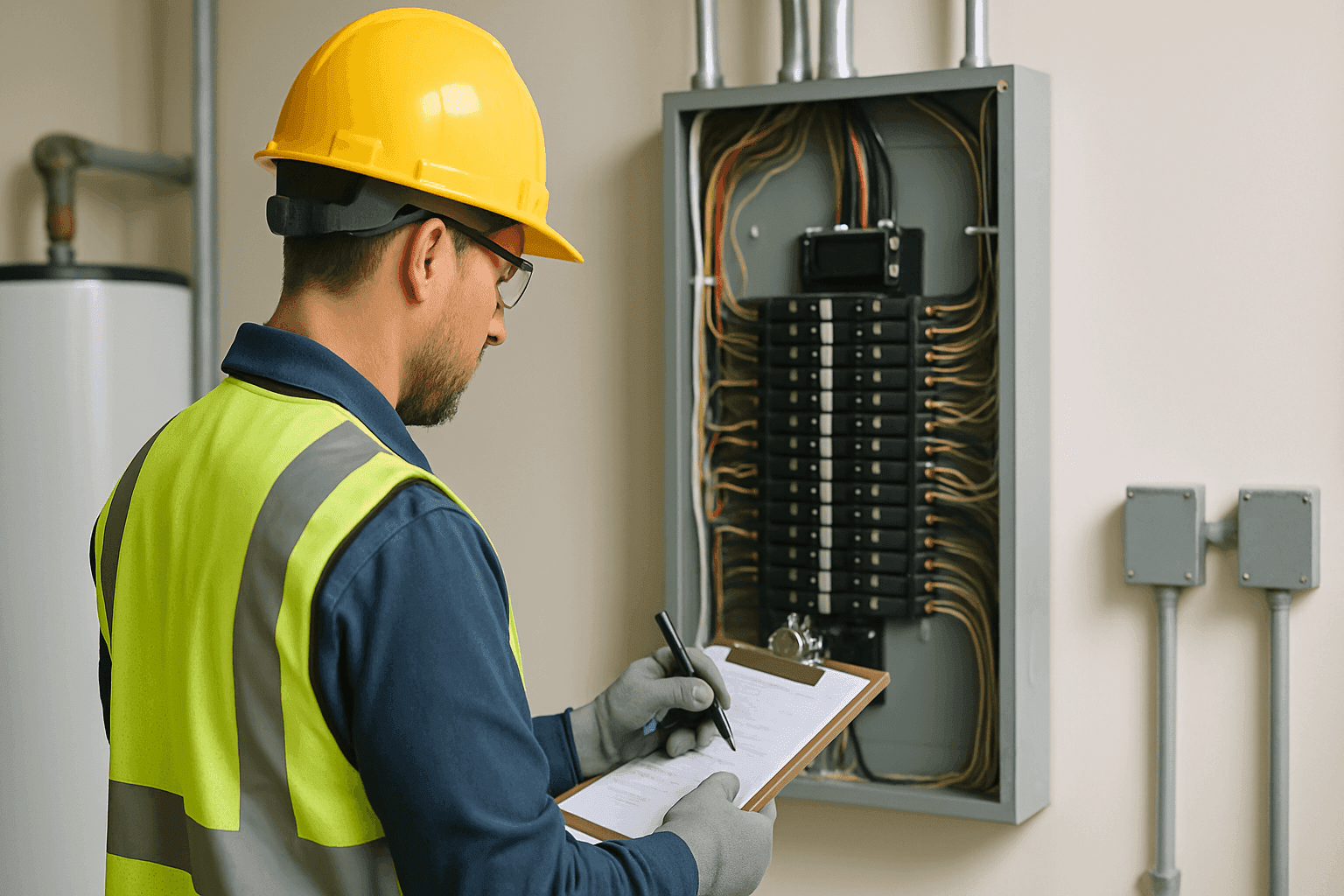
Electricity keeps your world running. Lights, computers, appliances, machinery—none of it works without a reliable electrical system. But hidden dangers can lurk behind walls, quietly growing until they spark a bigger problem. That’s why electrical safety inspections are more than a checkbox—they’re a lifeline.
At DH&B Electric, we’ve seen how a simple check can prevent disaster. Whether you’re a homeowner, business owner, or property manager, knowing when to schedule these inspections can mean the difference between peace of mind and a midnight emergency call.
How Often Should You Schedule Electrical Safety Inspections?
The answer depends on your property type, its age, and how you use electricity. Think of inspections like a regular health checkup for your home or business—neglecting it can let small issues snowball into major hazards.
Residential Properties
- Modern homes (under 10 years old): Every 5–10 years, unless you notice problems or make major changes.
- Older homes (over 40 years): Every 3–5 years, or when you buy/sell the property.
- After renovations or system upgrades: Immediately after work is completed.
- Rental properties: At each new tenancy, and at least every 5 years, per many local codes.
Commercial & Office Buildings 🏢
- Offices, shops, schools, and warehouses: Every 3–5 years, per National Fire Protection Association (NFPA 70B) and local code.
- Industrial or high-usage sites: Every 1–3 years, or more often if equipment is critical or conditions are harsh.
- Insurance or regulatory requirements: Some insurers demand annual reports to maintain coverage.
Special Triggers
Certain events should always prompt an immediate inspection, no matter your usual schedule:
- Severe storms, flooding, or lightning strikes
- Renovations or the addition of high-powered appliances
- Flickering lights, burning smells, or buzzing outlets
- Tripped breakers or blown fuses that recur
- Before buying or selling any property
Signs You Need an Unscheduled Inspection
Sometimes your electrical system sends distress signals. Here’s what to watch for:
- Outlets or switches feel hot, discolored, or loose
- Breakers trip frequently, especially under normal loads
- Lights flicker or dim unexpectedly
- Burning odors or unexplained scorch marks
- Sparks or buzzing from panels, outlets, or fixtures
- Old, cracked, or fraying wires
- Shocks or tingling sensations from appliances or switches
If you spot any of these, don’t wait. Call an emergency electrician from DH&B Electric. Even small warning signs can be the tip of a much bigger iceberg.
Electrical Safety Checklist: What Can You Do?
A little vigilance goes a long way. Here are a few things you can check yourself:
- Test smoke and carbon monoxide detectors monthly
- Check outlets for looseness or discoloration
- Ensure extension cords aren’t overloaded or damaged
- Confirm GFCI outlets (near kitchens, bathrooms, or outside) trip and reset properly
- Keep panel boxes closed and accessible
But remember—DIY checks are just a first line of defense. Most electrical hazards hide where you can’t see or reach.
Should You DIY or Call a Pro?
Electricity isn’t forgiving. One wrong move and you risk injury, fire, or worse. While you can handle minor tasks like changing bulbs or resetting breakers, leave deeper inspections to a licensed electrician.
Here’s why:
- Hidden hazards: Faulty wiring, overloaded circuits, and aging components often hide inside walls or panels.
- Code compliance: Safety standards change. Certified electricians keep up-to-date with NEC, NFPA 70, and state/local codes.
- Insurance & liability: Inspections by certified pros are recognized by insurers and authorities. DIY work often isn’t.
If in doubt, don’t risk it—reach out for professional help.
What Happens During a Professional Electrical Inspection?
When a DH&B Electric technician arrives, they follow a systematic process:
- Visual assessment: Inspect panels, outlets, switches, and visible wiring for wear, damage, or code violations.
- Testing: Use meters to check grounding, circuit integrity, and load balance.
- Panel & breaker evaluation: Open panels to examine connections, breaker condition, and signs of overheating.
- GFCI/AFCI checks: Test safety devices for proper function.
- Appliance & system review: Assess major appliances, HVAC, pool/spa wiring, and any specialty systems.
- Documentation: Provide a written report of findings, code issues, and recommendations.
We reference the latest National Electrical Code (NEC), NFPA guidelines, and local authority requirements throughout the process.
Preventing Hazards & Costly Emergencies
Why schedule inspections before there’s a problem? Here’s what proactive checks can prevent:
- Electrical fires from faulty wiring or overloaded circuits
- Equipment damage from power surges or failed grounding
- Shock hazards, especially in wet areas or near pools and spas
- Code violations that can halt sales, insurance coverage, or business operations
- Expensive emergency fixes that could’ve been caught early
Like changing your car’s oil, routine electrical checkups keep everything running smoothly and safely.
What Do Inspections Cost? How Long Do They Take?
Cost and time vary by property size, age, and complexity. Here’s a general idea:
- Residential homes: Inspections typically take 1–2 hours. Costs depend on the number of circuits, outlets & switches, and add-ons like pool/spa systems.
- Commercial properties: Larger buildings or those with specialized systems (like EV chargers, backup generators, or machine wiring) take longer and may require after-hours scheduling.
- Emergency service: Expect higher rates for urgent, after-hours calls. But the peace of mind? Priceless.
Remember, a routine inspection costs far less than dealing with a fire, insurance claim, or major repair.
When It’s an Emergency: Don’t Wait
Some situations can’t wait for a scheduled check. Call an emergency electrician immediately if you experience:
- Total power loss in part or all of your property
- Sparking from panels, outlets, or wiring
- Burning smells or visible smoke
- Water intrusion near electrical systems
- Shocks from outlets, switches, or appliances
DH&B Electric offers 24 hour service because emergencies don’t keep office hours.
Frequently Asked Questions
How do I know if my older home needs rewiring?
If your house has knob-and-tube or aluminum wiring, frequent breaker trips, or outlets without grounding, it’s time for a professional assessment.
Are electrical safety inspections required by law?
Often, yes. Many jurisdictions mandate inspections for rentals, commercial properties, or before major renovations. Insurers also may require documentation.
Do I need a pro for installing outlets & switches near me, or can I do it myself?
Simple swaps may be DIY for the experienced, but anything involving new wiring, circuit changes, or code compliance should be left to a licensed electrician.
How often should I test my smoke and CO detectors?
Test monthly. Replace batteries every 6–12 months. Entire units should be replaced every 7–10 years.
Seasonal & Local Triggers for Inspections 🌩️
Different seasons bring new risks:
- Storm season: Lightning, floods, and wind can damage wiring, panels, and backup generators.
- Winter holidays: Extra lighting and appliances can overload circuits, especially older systems.
- Spring cleaning or renovations: Major changes or new appliances are a perfect time to double-check your system.
- Summer heat: High demand (ACs, pools, spas) strains circuits.
Local codes may also change over time, so it’s smart to check with a certified electrician familiar with requirements in your area.
Common Hazards Found During Inspections
During inspections, DH&B Electric often finds:
- Overloaded circuits or panels
- Outdated wiring (aluminum, knob-and-tube)
- Missing or defective GFCI/AFCI protection
- Loose connections inside outlets, switches, or panels
- Water damage near electrical components
- Unsafe DIY repairs from past owners or tenants
Catching these early prevents emergencies and keeps your property safe.
Your electrical system is the backbone of your home or business. Don’t leave safety to chance—or wait for a sign that comes too late. For electrical safety inspections, repairs, or emergency electrician service, DH&B Electric is ready to help.
Call DH&B Electric now — or reach us anytime at 877-717-3326 .