Top 10 Signs Your Home Needs Electrical Rewiring
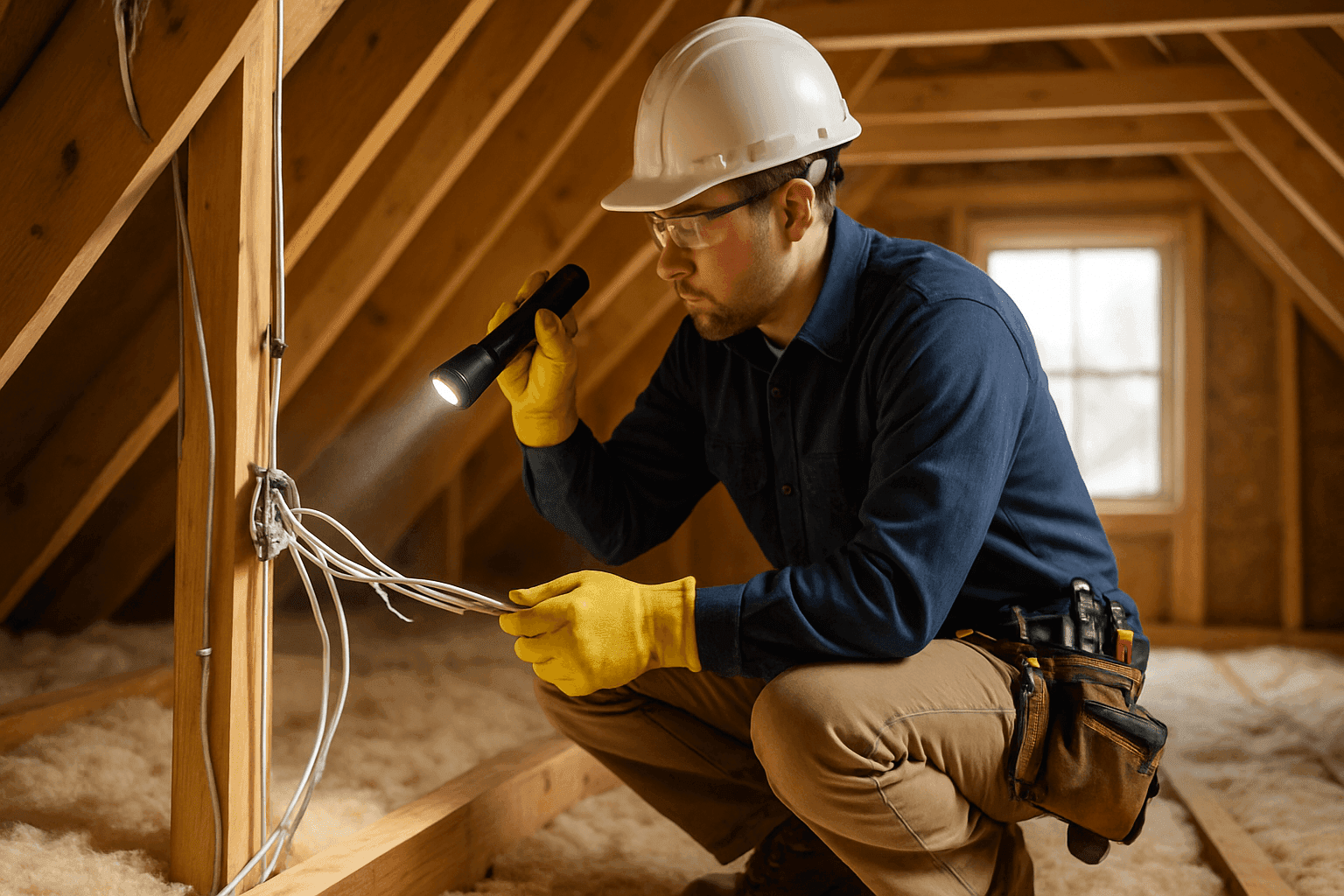
Electricity is the heartbeat of every modern home. We flip a switch, and the room brightens. But sometimes, the signs that something’s wrong are subtle—easy to miss until it’s too late. At DH&B Electric, we’ve seen how small problems can quickly become urgent calls for a 24/7 emergency electrician.
If you’re wondering whether your home’s wiring is safe, you’re not alone. Let's walk through the most common warning signs that your home may need electrical rewiring, why they matter, and what you should do next.
1. Frequent Breaker Trips
Circuit breakers are designed to protect your home. They trip when too much current flows—like a goalie blocking a shot. But if you find yourself heading to the panel more often than grabbing snacks from the fridge, it's a red flag. Repeated trips can signal overloaded circuits or, worse, damaged wires hidden behind your walls.
Ignoring this is like driving with your check engine light on. According to the National Electrical Code (NEC), persistent breaker trips should always be inspected by a licensed electrician.
2. Flickering or Dimming Lights 💡
Lights that flicker or dim—especially when you turn on appliances—aren’t just annoying. They can point to loose wiring, overloaded circuits, or corroded connections. Sometimes, it’s a loose bulb. But if replacing bulbs doesn't fix it, don’t shrug it off.
Imagine your home’s electrical system as a set of old holiday lights. If one strand is bad, the whole display suffers. Professional assessment is key to avoid underlying hazards.
3. Burning Smells or Odd Odors
If you catch a whiff of something burning and can’t find a source, act fast. Melting wire insulation or overheating outlets can release a sharp, acrid smell. Even a faint odor can point to a serious problem brewing out of sight.
Don’t play detective—turn off the power to the affected area and call for emergency service. House fires often start silently, behind the scenes. The U.S. Fire Administration points to faulty wiring as a leading cause of residential fires.
4. Warm or Discolored Outlets & Switches 🔥
Touch an outlet or switch plate. If it feels warm, or you see brown marks or discoloration, that’s a clear warning. Heat means electricity isn’t flowing safely. It’s like feeling warmth in a wall during a cold winter—it doesn’t belong there.
Stop using the outlet. Unplug everything. Schedule a professional inspection. Outlets & Switches near you should never be warm or discolored.
5. Buzzing or Crackling Sounds
Electricity should be silent. If you hear buzzing, crackling, or sizzling from outlets, switches, or panels, something’s wrong. This sound is electricity arcing or jumping—a sign of loose connections or frayed wires.
Ignoring these noises is like turning up the radio to drown out a rattle in your car. Eventually, the problem will demand attention, usually at the worst possible time.
6. Outdated Wiring Materials
If your home was built before the 1980s, you might have aluminum wiring or even knob-and-tube systems. These materials aren't just old—they're risky. Aluminum expands and contracts, loosening connections and raising fire risks. Knob-and-tube lacks modern grounding.
Current safety codes don’t allow these in new construction. If you suspect your home has outdated wiring, it’s time for a professional checkup.
7. Frequent Bulb Burnouts
Do your light bulbs burn out faster than a summer ice cream cone? It could be more than cheap bulbs. Overvoltage, loose connections, or faulty wiring can all cause bulbs to fail repeatedly.
Changing bulbs often? Make a note of which fixtures are affected. It’s a clue for your electrician and a sign that your wiring may be on its last legs.
8. Shocks When Touching Switches or Appliances ⚡
A mild shock when you touch a switch or plug in an appliance isn’t “just static.” It’s a heads-up from your wiring. Faulty grounding, damaged wires, or moisture can all cause this. Any shock is too much.
Keep track of when and where this happens. Never ignore electrical shocks—they’re a warning, not a quirk.
9. Missing or Non-Functioning GFCI Outlets
Ground Fault Circuit Interrupters (GFCIs) are now required by code in kitchens, bathrooms, laundry rooms, and outdoors. These outlets protect you from shocks by cutting power when they sense danger. If your home lacks GFCIs—or if they don’t trip when tested—it’s a sign your wiring is out of date or compromised.
Upgrading to modern, safe outlets is a must for every home.
10. Electrical Panel Is Out of Date or Overcrowded
Your breaker panel is the traffic controller of your electrical system. If it’s rusted, overloaded with double-tapped breakers, or you see fuses instead of breakers, it’s time for an upgrade. Panels older than 25 years often can’t handle today’s power needs or safety standards.
Panels & Breakers are the backbone of home electrical safety. Problems here can affect your entire system.
Why These Signs Matter
These warning signs aren’t just about convenience—they’re about safety. Faulty wiring is a leading cause of house fires, and many insurance companies won’t cover homes with out-of-date or unsafe wiring. Ignoring the signs can mean risking lives and property.
Electrical codes exist for a reason: to keep homes, families, and businesses safe. The NEC and your local regulations are updated regularly to reflect new knowledge and technology.
Quick Safety Checklist
- Smell burning, see scorch marks, or feel heat from outlets? Cut the power and call for help.
- Breakers tripping often? Don’t just reset—find out why.
- Flickering, dimming, or buzzing? Schedule a professional assessment.
- Outlets & Switches near you feel loose or spark? Unplug and avoid use.
- Shocks from switches or appliances? Never ignore.
When in doubt, safety first. Don’t rely on guesses or luck.
DIY vs. Call a Pro
It’s tempting to troubleshoot yourself. But with wiring, what you can’t see can hurt you. DIY fixes—like swapping outlets, splicing wires, or replacing breakers—often create new hazards if not done right.
A qualified electrician knows what to look for. They have tools to test circuits safely and follow local electrical codes. This isn’t like patching a hole in drywall. It’s like open-heart surgery for your home.
What Pros Do On Arrival
When you call DH&B Electric or a 24/7 emergency electrician, here’s what to expect:
- Listen to your concerns and ask about warning signs.
- Inspect outlets, switches, and the main panel for visible issues.
- Use circuit testers, thermal cameras, and code checklists.
- Trace wiring behind walls if needed.
- Document findings and recommend repairs—partial or full rewiring, as needed.
They’ll also check for code compliance, grounding, and safety devices like GFCIs and smoke detectors. The goal: keep your home safe and up to date.
Prevention & Maintenance
Most wiring issues develop slowly. Here’s how to stay ahead:
- Schedule regular electrical safety inspections—especially in older homes.
- Replace worn outlets, switches, and panels as recommended.
- Don’t overload circuits with too many appliances.
- Test GFCIs and smoke detectors monthly.
- Hire professionals for any new installations or renovations.
Following these steps helps prevent emergencies and keeps your insurance valid.
Costs & Time Factors
Rewiring costs and timelines vary widely. Factors include:
- Size and age of your home.
- Whether you need partial or complete rewiring.
- Accessibility—open walls vs. finished rooms.
- Upgrades to panels, grounding, or safety devices.
A simple outlet fix may take less than an hour. Full rewiring for an average home can take days to weeks, depending on complexity. Always ask for a detailed assessment and plan.
When It's an Emergency
Some signs mean “call now”—not tomorrow:
- Burning smells or visible smoke.
- Scorch marks, melted outlets, or sparking.
- Shocks from outlets or appliances.
- Repeated breaker trips with no obvious cause.
In these cases, shut off power if safe and call a 24/7 emergency electrician immediately.
FAQ: Common Questions
How often should a home be rewired?
Most homes need major rewiring every 25–40 years, but this depends on materials and usage. Schedule inspections if your home is older or showing signs from this list.
Is aluminum wiring safe?
Aluminum wiring installed in the 1960s–70s can be a fire risk if not properly maintained or upgraded. If you have it, get a professional assessment.
Can I just replace outlets and switches myself?
DIY outlet replacement is legal in some areas, but it’s risky. Incorrect wiring can lead to shorts, shocks, or worse. Always turn off power and consider calling a professional.
Local & Seasonal Considerations
Weather and location matter. In humid climates, moisture can speed up wire corrosion. In older neighborhoods, original wiring may be hiding behind plaster. After storms or floods, wiring may need inspection even if the lights still work.
If you’re planning a renovation, adding an EV charger, or upgrading appliances, check that your wiring is up to the task. Don’t wait for trouble to knock on your door.
Call to Action
Spotting electrical issues early can save lives and prevent costly repairs. If you notice any of these warning signs in your home or business, don’t wait.
Call DH&B Electric now — or reach us anytime at 877-717-3326 .