Smoke and Carbon Monoxide Detectors: Installation and Safety Tips
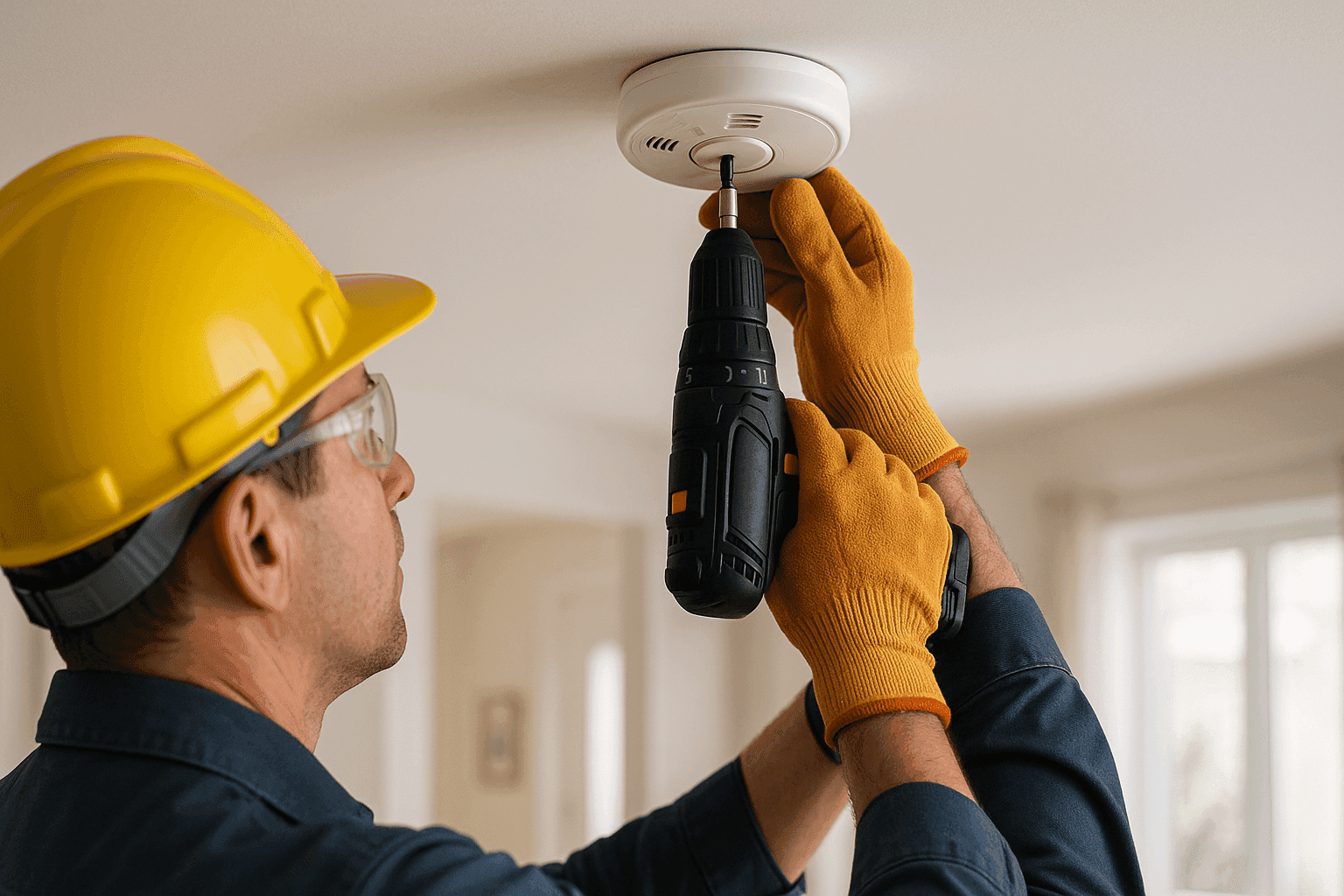
We all want to feel safe in our homes and workplaces. But fire and carbon monoxide are silent dangers—most deadly when we’re least prepared. At DH&B Electric, our emergency electricians have seen what happens when detectors are ignored or installed incorrectly.
Let’s talk about what you can do right now to protect your people, your property, and your peace of mind.
Why Smoke and Carbon Monoxide Detectors Matter 🛑
Imagine waking up in the middle of the night to a blaring alarm. It’s loud, startling, and possibly life-saving. Smoke and carbon monoxide (CO) detectors are like guard dogs—quiet until there’s real trouble. According to the National Fire Protection Association (NFPA), three out of five home fire deaths occur in properties without working smoke alarms. The CDC warns carbon monoxide is “the invisible killer”—impossible to see, taste, or smell.
Both threats are real for homes and businesses. That’s why the National Electrical Code® (NEC) and local building codes require properly installed and maintained detectors.
Quick Safety Checklist
- Install smoke detectors in every bedroom, outside each sleeping area, and on every level—including basements.
- Place CO detectors on every floor, especially near sleeping areas.
- Test every detector monthly.
- Replace batteries every 6–12 months (or as soon as you hear a low-battery chirp).
- Swap out all detectors every 7–10 years, even if they seem “just fine.”
- For businesses: follow Occupational Safety and Health Administration (OSHA) guidelines and local fire codes.
A few minutes now could save lives later.
Types of Detectors: Choosing the Right One for You
Smoke detectors come in two main types: ionization and photoelectric. Ionization models respond faster to flaming fires, while photoelectric ones are better at sensing smoldering, smoky fires. Some alarms combine both technologies. For best results, use both types or choose a dual-sensor unit.
CO detectors sense dangerous levels of carbon monoxide gas. Some models plug into outlets, some are battery-operated, and others hardwire into your electrical system. Combination units can detect smoke and CO at once—handy for tight spaces.
Think about whether you want interconnected detectors (when one sounds, all sound) for larger or multi-level properties.
Where to Place Smoke and CO Detectors
For Homes:
- Smoke detectors should go inside each bedroom, outside sleeping areas, and on every floor (including the basement). Place them at least 10 feet from cooking appliances to avoid false alarms.
- CO detectors should be installed outside each sleeping area and on every level of your home. Don’t put them right next to fuel-burning appliances—aim for 10–20 feet away.
For Businesses:
- Install detectors according to building codes and occupancy type.
- Place alarms in hallways, offices, mechanical rooms, storage areas, and anywhere people gather or sleep.
- Pay special attention to areas with gas-powered equipment, heating systems, or attached garages.
General Tips:
- Mount detectors on ceilings or high on the wall. Smoke rises, and CO mixes with air.
- Avoid corners, ducts, and areas near windows or doors, where airflow might keep smoke or CO from reaching the sensors.
DIY or Call a Professional Emergency Electrician?
Installing a battery-powered detector might seem easy enough—just a screwdriver and a drill. But hardwired systems, interconnected alarms, or setups for commercial spaces demand more skill and code knowledge. One loose wire or missed connection can mean the difference between safety and disaster.
DIY is okay when:
- You’re replacing a battery-operated unit.
- You’re comfortable using a ladder and simple tools.
Call DH&B Electric when:
- You need interconnected or hardwired detectors.
- You’re upgrading a business or multi-family building.
- You want to ensure compliance with the latest codes.
- You’ve got Outlets & Switches near you that seem overloaded or unreliable.
Remember, professional installation means detectors are tested, powered, and placed exactly where they’ll do the most good.
What Pros Do On Arrival
When our emergency electricians arrive, here’s what you can expect:
- Assessment: We check your property layout, current detectors, and electrical panel.
- Code Compliance: Installations follow NEC, NFPA 72, and local safety codes.
- Placement: We strategically locate alarms for maximum coverage—no “dead zones.”
- Wiring: For hardwired systems, we run new circuits or use existing wiring safely.
- Testing: Every detector is tested for operation and interconnection.
- Education: We’ll show you how to test, maintain, and replace units.
All work is done to the highest safety standards, minimizing disruption to your day.
Prevention & Maintenance Tips 🔧
A detector is only as good as its upkeep. Here’s how to keep yours working:
- Test monthly: Press the test button until you hear the alarm. If it’s silent, it’s time for new batteries or a replacement.
- Change batteries: At least once a year—twice if you want extra peace of mind. Many people swap batteries when Daylight Saving Time starts and ends.
- Clean regularly: Use a vacuum or soft brush to remove dust and cobwebs. Don’t use cleaning sprays—chemicals can damage sensors.
- Replace outdated units: Smoke detectors last 10 years; CO detectors 5–7 years. Check the “replace by” date on the back.
- Keep records: Note install and replacement dates on a calendar or in your phone.
For commercial properties, schedule annual safety inspections with a licensed emergency electrician.
Costs & Time Factors
- DIY battery-powered detector: 10–20 minutes per unit.
- Hardwired or interconnected system: 1–3 hours, depending on building size and wiring complexity.
- Professional installation: Typically completed in a single visit, with minimal disruption.
Costs vary by device type, home size, and installation needs. Combination smoke/CO units cost more but save installation time. If you’re upgrading an older electrical system, your emergency electrician may recommend updating Outlets & Switches or panels at the same time for safety.
When It’s an Emergency
Don’t wait for a crisis. If your detector sounds or you suspect a CO leak:
- Evacuate immediately.
- Call 911 from outside.
- Don’t ventilate the area or turn appliances back on until first responders clear the scene.
If your system won’t stop chirping, or you have no working alarms, call DH&B Electric for emergency service. We’re ready 24/7 to keep you safe.
Frequently Asked Questions
How often should I test my smoke and CO detectors?
Test each device once a month by pressing the test button.
Can I install detectors myself, or do I need a professional?
You can install battery-operated units, but hardwired and interconnected systems should be handled by a professional emergency electrician.
What’s the lifespan of a typical detector?
Smoke detectors: 10 years. CO detectors: 5–7 years. Always check the manufacturer’s label.
Where can I find code requirements for my area?
Check with your local building department, or refer to the National Fire Protection Association (NFPA 72) for national standards.
Local and Seasonal Considerations 🌧️
In cold climates, don’t place CO detectors near windows or exterior doors—drafts can affect their performance. In humid regions, avoid placing alarms in bathrooms or near showers. For properties with fireplaces, wood stoves, or gas appliances, extra detectors near these areas add peace of mind.
Business owners: Stay updated on local fire marshal inspections and required annual testing, especially before seasonal occupancy changes or renovations.
Taking a few simple steps today can be the difference between a close call and a catastrophe. Don’t gamble with safety. For professional installation, maintenance, or emergency service—whether it’s detectors, Outlets & Switches near you, or complete rewiring—call the pros.
Call DH&B Electric now — or reach us anytime at 877-717-3326 .