Electrical Panel Upgrades: What Homeowners Should Know
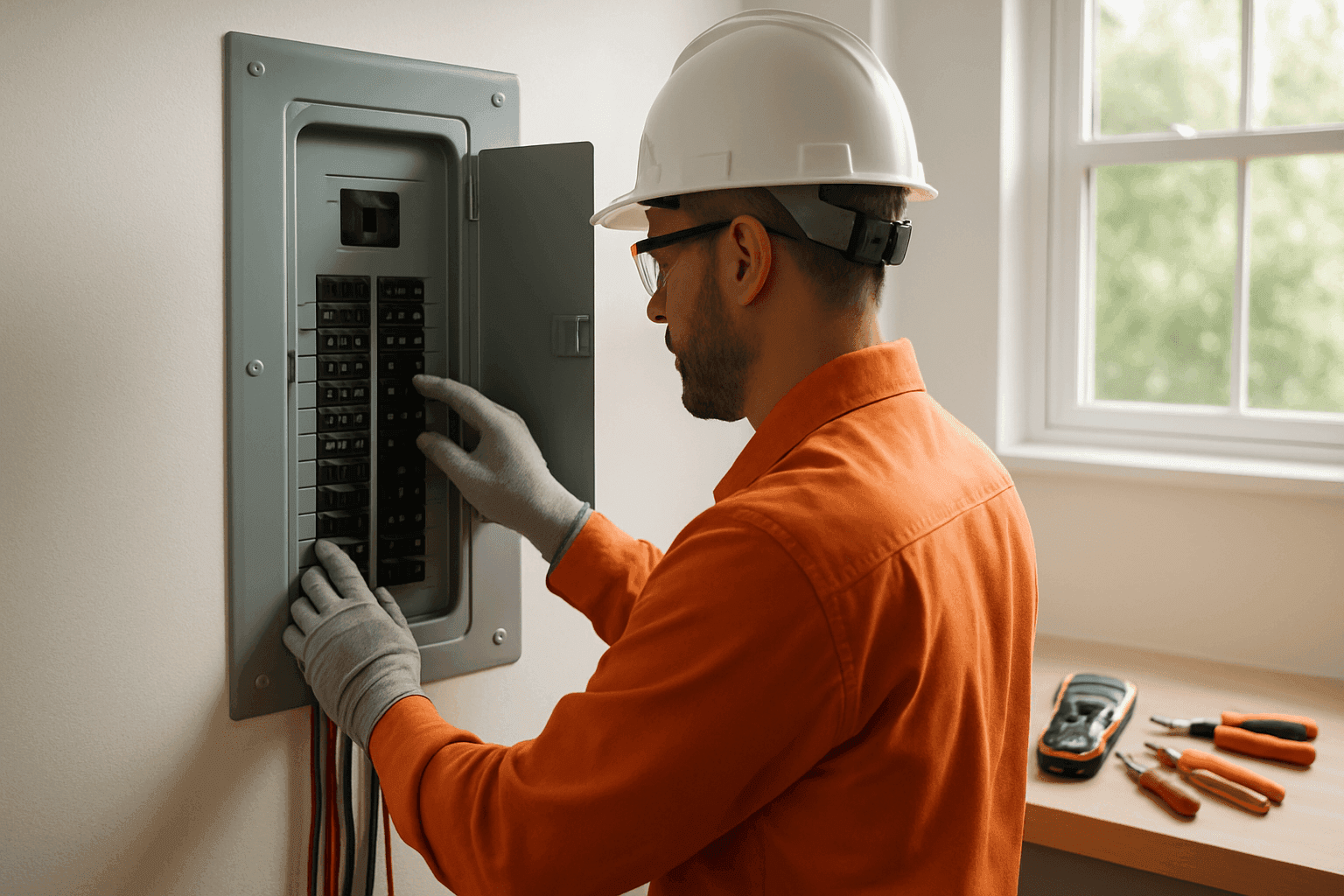
Is your home’s electrical panel up to the job? Many homeowners don’t think about it—until lights flicker, breakers trip, or a project like an EV charger puts everything to the test. The panel is the heart of your electrical system. When it’s outdated, it can’t keep up with modern needs or safety codes.
At DH&B Electric, we’ve seen the difference a panel upgrade makes. It’s about more than just power—it’s about peace of mind. If you’re considering new appliances, a home office, or just want safer electricity, this guide will walk you through what you need to know.
Signs Your Electrical Panel Is Outdated or Overloaded ⚡
An old or overloaded panel is like a rusty lock on a door you use every day. It might work—until it doesn’t. Here are some signals it’s time to take a closer look:
- Frequent breaker trips: If your panel “pops” often, it’s waving a red flag.
- Flickering or dimming lights: Not just spooky—this can mean your panel is straining to keep up.
- Warm or buzzing panel: A panel should be silent and cool. Heat or noise means trouble.
- Old fuse boxes: If you still swap out fuses, it’s time for a major update.
- Adding big loads: Planning on an EV charger, home office, hot tub, or new HVAC? Your panel might not be ready.
- Limited outlets & switches near you: Not enough outlets means circuits are likely overused.
- Rust or corrosion: This can signal water damage or age, both serious safety risks.
- Home insurance requests: Some insurers require an upgrade for coverage, especially after renovations.
Ignoring these signs can lead to more than inconvenience. Outdated panels are a top cause of electrical fires, according to the U.S. Fire Administration.
Benefits of Upgrading Your Electrical Panel
Think of a new panel as upgrading from a single-lane road to a modern highway. More traffic, better safety features, and room to grow.
- Bigger capacity: Modern life means more gadgets. New panels handle today’s demand—and tomorrow’s.
- Improved safety: AFCI (arc-fault) and GFCI (ground-fault) protection, required by the National Electrical Code, reduce shock and fire risks.
- Supports modern tech: From EV chargers to high-speed data cabling, a new panel is future-ready.
- Fewer outages: Stop breaker trips and keep your appliances running smoothly.
- Home value boost: Upgrades can help with resale or refinancing.
- Peace of mind: Sleep easier knowing your electrical system is up to code.
Real-Life Scenarios: When Upgrades Are Unavoidable
- EV Chargers: Electric vehicles draw serious power. Many homes built before 2000 aren’t set up for this. A new panel can mean the difference between safe charging and overloaded circuits.
- Home Offices: More computers, printers, and chargers add up. If you’re working remotely, your old panel may not keep up.
- Kitchen Remodels: New appliances can tip the scales. Microwaves, double ovens, induction ranges—they all need plenty of juice.
- Pools, Spas, and Outdoor Lighting: These upgrades require dedicated circuits and often push old panels past their limits.
- Expanding Your Home: Adding rooms or finishing a basement? Code usually requires an upgrade to handle the extra load.
Quick Safety Checklist Before Considering an Upgrade
- Stay away from the panel if it’s hot or smells burnt.
- Don’t open the panel cover if you’re not trained.
- Call an emergency electrician if you see sparks or smoke.
- Keep children and pets clear of electrical equipment.
- Never touch electrical parts with wet hands.
Electrical upgrades are not DIY territory. Even if you’re handy, panels are dangerous without specialized training.
DIY vs. Call a Pro
Let’s be clear: Upgrading your panel isn’t like swapping out a lightbulb or installing outlets & switches near you. Panels are complex, and mistakes can be deadly.
- Permits are required. Local building codes demand licensed professionals for panel work.
- Risk of shock or fire. One wrong move can cause injury or worse.
- Code compliance. The National Electrical Code (NEC) updates every three years. What was safe a decade ago isn’t always enough today.
- Insurance and resale. Work done without a permit or by an unlicensed person may void your insurance or delay a sale.
Hiring a licensed electrician ensures the job is safe, legal, and future-proof.
What Pros Do On Arrival
When you call DH&B Electric for a panel upgrade, here’s what you can expect:
- Initial inspection: We check your current panel, wiring, grounding, and look for code violations.
- Load calculation: We measure how much electricity your home needs now—and in the future.
- Permitting: We handle all local permits and inspections.
- Panel selection: Based on your needs, we help pick the right size and features.
- Safe removal: The old panel is disconnected and safely removed.
- New panel installation: All connections are made following NEC and local code.
- Testing: Every circuit is tested, labeled, and checked for safety.
- Inspection: A local inspector verifies the work before power is restored.
We keep you informed every step of the way, so you’re never left in the dark.
Prevention & Maintenance: Keeping Your System Safe
Even with a new panel, regular care matters. Here’s how to keep things running smoothly:
- Annual visual checks: Look for rust, loose breakers, or signs of overheating.
- Don’t overload outlets. Too many devices on one circuit can still cause problems.
- Schedule professional safety inspections. The Electrical Safety Foundation International (ESFI) recommends a checkup every 3–5 years.
- Label your panel. Know which breaker controls what.
- Update after major changes. Remodeling or adding big appliances? Get your panel reviewed.
Costs & Time Factors: What to Expect
Every home is different. Here’s what affects the price and timing of a panel upgrade:
- Size of panel: 100 amp, 150 amp, 200 amp—bigger panels cost more.
- Number of circuits: More circuits, higher cost.
- Age and condition of wiring: Old or unsafe wiring may need replacement.
- Location of panel: Hard-to-reach spots increase labor time.
- Permits and inspections: Required by most cities.
- Additional upgrades: Surge protection, AFCI/GFCI breakers, or rewiring add to the total.
Average timeline: Most upgrades take one day, but complex jobs can stretch longer—especially if rewiring is needed.
Average range: Costs vary widely, but investing in safety and future capacity pays off.
When It’s an Emergency
Some electrical issues can’t wait:
- Burning smells or visible sparks at the panel
- Loss of power to part or all of your home
- Breakers won’t reset
- Flooded or water-damaged panels
If you notice any of these, call an emergency electrician right away. Electricity is nothing to gamble with.
FAQ: Panel Upgrade Questions
How often should panels be replaced?
Most last 25–40 years, but heavy use or old wiring can shorten lifespan.
Do I need a bigger panel just for an EV charger?
Often, yes. Check your panel’s rating and consult a licensed electrician.
Can I upgrade just a few circuits?
Sometimes. But if your panel is outdated, a whole-panel upgrade is usually safer and more cost-effective.
Will a new panel lower my electric bill?
Not directly, but it can improve efficiency and safety, preventing costly problems.
Local and Seasonal Considerations
- Storms and flooding: Panels in basements or garages are at higher risk. Consider elevating or relocating.
- Older neighborhoods: Homes built before 1980 are more likely to have undersized panels or outdated wiring.
- Growing families: More people means more devices—plan for future needs.
- Remote work: Home offices draw more power. Don’t let an old panel slow you down.
Always check local codes—requirements can vary by city or county. The National Electrical Code (NEC) and your local building department are your best guides.
Upgrading your electrical panel is a smart move for safety, comfort, and peace of mind. Don’t wait for a problem to strike. For questions or to schedule an assessment, Call DH&B Electric now — or reach us anytime at 877-717-3326 .