Backup Generators for Homes and Businesses: A Complete Guide
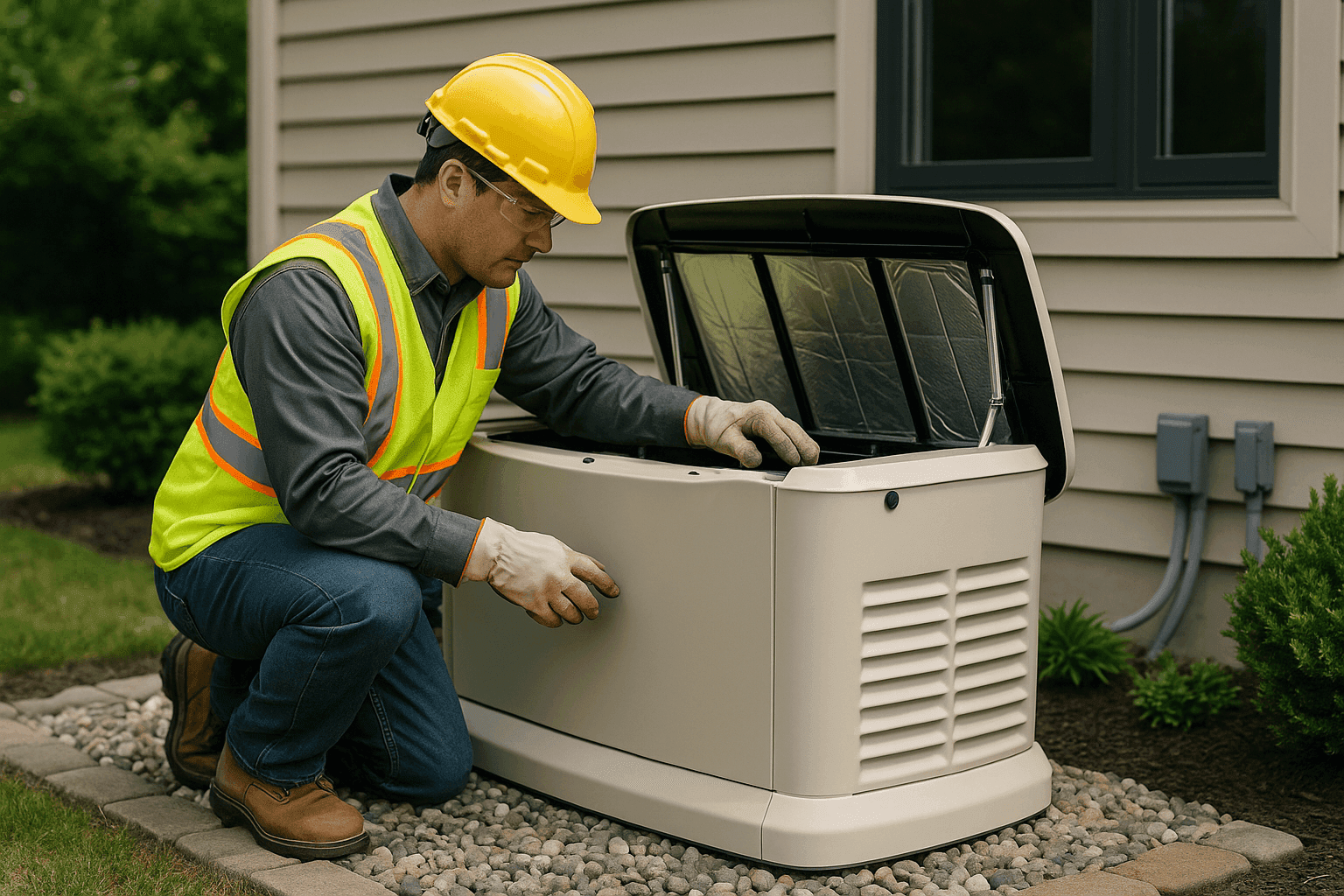
When the lights flicker out, everything changes. Your home goes dark. Your business can grind to a halt. And in those moments, you need more than just a flashlight—you need a plan. That’s where a trusted emergency electrician comes in.
At DH&B Electric, we help families and businesses stay powered up, no matter what. With decades of experience in generators, system design, and safety inspections, we’ve seen how the right backup generator becomes a lifeline. This guide breaks down the essentials—so you can keep your household safe or your business running, even when the grid says no.
Why Backup Generators Matter
Picture a storm roaring through town in the middle of the night. The power cuts out. You hear the refrigerator clicking off, the hum of your AC fading, the silence thick as fog. For businesses, this could mean spoiled inventory, lost data, or production lines stalled. At home, it’s comfort and safety on the line.
A backup generator is your safety net. It’s like having a spare tire in your trunk—except instead of getting you to the next gas station, it keeps your world running until power returns. Whether you need to keep critical medical equipment going, your security system online, or just want to avoid spoiled food and cold showers, a generator bridges the gap.
Types of Backup Generators ⚡
Not all generators are created equal. Choosing the right type is about balance—power, convenience, and budget. Here’s what you need to know:
Portable Generators
- Smaller and mobile. Great for short-term use or powering a few essentials.
- Manual operation. You’ll need to start them and connect appliances or circuits directly.
- Fuel-powered. Usually gasoline, sometimes propane.
- Ideal for: Homeowners needing occasional backup, or small businesses with limited needs.
Standby Generators
- Permanently installed. These sit outside your home or building, like an air conditioner.
- Automatic transfer. When the power fails, they kick in automatically. No fumbling in the dark.
- Runs on natural gas or propane. Less hassle with refueling.
- Can power the whole building or key circuits.
- Best for: Homes with frequent outages, businesses needing uninterrupted operations, or anyone who can’t afford downtime.
Inverter Generators
- Quieter, more efficient. Good for sensitive electronics.
- Limited output. Not usually for whole-building backup.
- Portable, but pricier per watt.
When deciding, think about what matters most: Do you need just the basics, or is business continuity vital?
Sizing Your Generator: How Much Power Do You Need?
Getting the size right isn’t guesswork—it’s calculation. Too small, and your generator struggles. Too big, and you waste money.
The Basics
- List your essentials. Fridge, lights, medical equipment, security, Wi-Fi, heating/cooling, computers. For businesses, add machinery, POS systems, and servers.
- Check wattages. Appliances usually list their running and starting wattage (the surge needed to start up). Add both to your tally.
- Add up the total. This is your minimum generator size in watts (or kilowatts).
Quick tip: Most homes need 5,000–7,500 watts for basics. Businesses vary wildly—some need 20kW or more.
Sizing for Commercial Needs
Commercial properties often have more at stake—think freezer warehouses, medical offices, or factories. Here, sizing isn’t just about comfort, it’s about protecting livelihoods. Critical systems like data centers, HVAC, or manufacturing lines can require custom calculations. A licensed emergency electrician from DH&B Electric can help survey your load, analyze peak demand, and select the right solution.
Code Requirements
Electrical codes (like the National Electrical Code, NEC) require proper sizing for safety and compliance. Never guess—always follow the manual and local regulations.
Key Features to Look For in a Backup Generator 🔑
Not all generators are built with the same bells and whistles. Here’s what separates a solid investment from a headache:
- Automatic Transfer Switch (ATS): The generator detects outages and turns itself on—no manual flipping or running outside in bad weather.
- Fuel type: Natural gas (clean, reliable), propane (easier storage), gasoline (portable but short shelf life), or diesel (commercial, high-power).
- Noise level: Standby models are usually quieter than portables. Inverter generators are the quietest.
- Remote monitoring: Some systems let you check status and start/stop from your phone.
- Weatherproof housing: Critical for outdoor installations.
- Load management: Lets you prioritize circuits, so big appliances don’t overload your system.
Installation: What to Expect
Installing a generator isn’t plug-and-play. It’s more like adding a safe room to your house—done right, it protects you for years.
Step-by-Step
- Assessment: A professional evaluates your power needs, site, and fuel options.
- Permits & Codes: Local authorities may require permits. Installations must follow codes like NEC and municipal rules.
- Pad & Placement: Generators need a stable surface with clear airflow, away from windows and vents.
- Wiring & Transfer Switch: Safe, code-compliant wiring connects your generator to your electrical panel. The transfer switch keeps the grid and generator separate.
- Fuel Connection: Natural gas or propane lines must be professionally installed and tested for leaks.
- Testing: The system is started, tested under load, and checked for safe operation.
- User Training: You learn basic controls, maintenance, and what to do in an outage.
Important: Only a licensed emergency electrician should handle installation. This isn’t a DIY project.
Maintenance Best Practices 🧰
A generator is like a car—it needs regular care to run when you need it most. Here’s how to keep it ready:
- Run it monthly. Most standby units run a self-test; portables should be started manually.
- Check fuel levels and lines. Old fuel goes bad. Propane and natural gas lines can leak.
- Inspect batteries. Weak or dead batteries are a top cause of generator failure.
- Replace filters and oil. Follow the manufacturer’s schedule.
- Keep it clean and clear. Remove debris, snow, and dust from around the unit.
- Annual service: Have a professional inspect and tune up your generator every year.
Many manufacturers recommend (and some local codes require) professional maintenance logs. This protects your investment and may be needed for insurance.
Safety Considerations
Generators are powerful tools—but they come with risks if not handled right. Here’s how to stay safe:
- Never run a portable generator indoors or in a garage. Carbon monoxide is deadly—always use outdoors, away from open windows.
- Install carbon monoxide detectors. Especially near bedrooms and living areas.
- Keep dry. Water and electricity don’t mix. Use only in dry weather or with covers designed for generators.
- Don’t backfeed. Never plug a generator directly into a wall outlet. This can send power onto grid lines and endanger utility workers.
- Use heavy-duty, outdoor-rated extension cords. Undersized cords can overheat.
- Follow manufacturer instructions and local codes.
The National Fire Protection Association (NFPA) and Occupational Safety and Health Administration (OSHA) both publish safety guidelines for generator use.
Commercial Generator Needs: Critical Systems & Business Continuity 💼
For businesses, a generator isn’t just convenient—it’s crucial. The stakes are higher:
- Data centers: Protect sensitive data from loss or corruption.
- Medical offices: Keep lifesaving equipment operating without interruption.
- Restaurants: Avoid costly food spoilage and keep customers safe.
- Manufacturing: Minimize downtime and protect expensive machinery.
- Retail and service providers: Keep lights, registers, and security running.
Regular safety inspections and code-compliant installations are a must. Many commercial clients also need surge protection, panel upgrades, and custom wiring—services DH&B Electric provides every day.
The Installation Process: What Certified Electricians Do
Wondering what happens when you call in a pro? Here’s the process with DH&B Electric:
- Site inspection: We check your panel, circuits, and fuel source.
- Load calculation: Sizing is done based on your real needs—not just a guess.
- Permit application: We handle the paperwork and work with inspectors.
- Safe, code-compliant wiring: Every connection is double-checked.
- System testing: We run your generator under load, check transfer switch operation, and confirm safety systems.
- Walk-through: We show you how it works, and what to do if something goes wrong.
Only certified electricians can install, wire, and test standby generators to code. This protects you and ensures your warranty stays valid.
Maintenance & Upkeep: Tips for Long Life
- Monthly exercise: Letting the generator run for 10–15 minutes keeps parts lubricated and ready.
- Annual inspection: Replace filters, test batteries, and check connections.
- Fuel rotation: Gasoline and diesel degrade over time—replace or stabilize fuel as needed.
- Keep records: Maintenance logs help with insurance and warranty claims.
- Clear area: Trim plants and debris so airflow isn’t blocked.
Following the manufacturer’s manual and consulting your emergency electrician for seasonal checks keeps your generator reliable.
Safety Checklist for Generator Owners ✅
- [ ] Install carbon monoxide detectors near sleeping areas.
- [ ] Test generator monthly.
- [ ] Inspect for leaks, damage, or pests.
- [ ] Store fuel safely and away from flames.
- [ ] Keep extension cords away from water.
- [ ] Use only certified, code-compliant installations.
- [ ] Post emergency electrician contact info near your panel.
DIY vs. Call a Pro
Some folks are handy. But even the best DIYers should think twice with generators:
- DIY risks: Mistakes can mean electrocution, fire, or fatal carbon monoxide exposure.
- Code compliance: Many towns require licensed installation.
- Warranty: DIY jobs can void warranties or insurance coverage.
- Peace of mind: Certified emergency electricians spot hazards you might miss.
For most, calling DH&B Electric is the smart move.
What Happens When a Pro Arrives
We start with a walk-through. We listen to your needs—what’s critical, what’s nice-to-have. We check your panel, wiring, and fuel source. Then, we size and recommend the right system. Once approved, we handle permits, installation, and a complete safety test. You’re never left guessing.
Prevention & Maintenance
A generator isn’t “set it and forget it.” Schedule regular checkups, keep fuel fresh, and test the system monthly. Many issues can be caught early and fixed before they become emergencies.
Cost & Time Factors
- Portable generators: $500–$2,500 (plus cords and fuel).
- Standby generators: $5,000–$15,000+ installed, depending on size and features.
- Installation time: Most residential installs take 1–2 days. Commercial projects may take longer due to custom wiring and inspections.
- Maintenance: Budget for annual service, fuel, and occasional repairs.
Investing in a generator is about peace of mind. It’s a safety net that pays for itself the first time you need it.
When It’s an Emergency
If you lose power and don’t have a generator, call your emergency electrician right away. If your generator fails, don’t try to repair it yourself—especially if you smell gas or spot electrical damage. Safety comes first.
DH&B Electric offers 24-hour emergency service. We respond quickly to keep you safe and your power on.
FAQ: Your Generator Questions Answered
How often should I test my generator?
Run your standby generator at least once a month. Portables should be started monthly and after every fuel fill.
Can I power my whole house or business?
Yes—with a properly sized standby generator and transfer switch. Portable models usually cover essentials only.
Do I need permits for installation?
In most locations, yes. A licensed electrician will handle permits and inspections.
What if I have solar panels?
Generators and solar systems can coexist, but need special wiring to prevent “islanding.” Talk to DH&B Electric for safe integration.
Local & Seasonal Considerations 🌦️
- Storm-prone areas: Consider larger fuel tanks and weatherproofing.
- Cold climates: Heaters may be needed for generator enclosures.
- Urban vs. rural: Local noise and zoning rules may affect placement.
- Wildfire risk: Always clear brush and debris from around the unit.
Check with local building departments for rules in your area. Always follow manufacturer and code requirements for your safety.
When the next outage hits, don’t be left in the dark. For fast, code-compliant backup generator solutions—residential or commercial—reach out to DH&B Electric. We handle everything from Outlets & Switches near you to complex emergency power.
Call DH&B Electric now — or reach us anytime at 877-717-3326 .